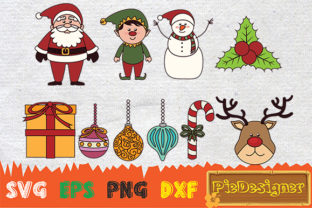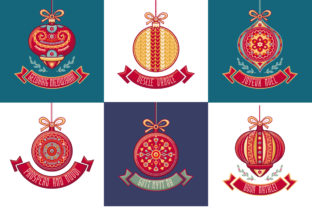
Christmas Cards Illustrations
First Impression: Warm, Hand-Drawn Charm with Seasonal Soul
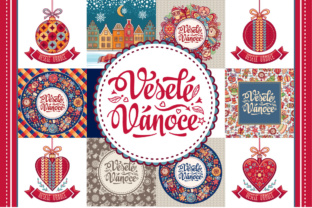
Opening the Christmas Cards file felt like unwrapping a carefully curated gift—immediate warmth, subtle texture, and unmistakable intention. These aren’t generic clipart snowflakes or stiff vector reindeer. This is a cohesive set of illustrations rooted in organic line work, gentle color palettes (think muted cranberry, forest green, oatmeal cream), and intentional negative space. As a designer who just wrapped a holiday campaign for a handmade ceramics brand, I immediately saw how these illustrations could elevate their entire seasonal identity—not as decoration, but as visual storytelling.
Fits Like a Well-Tailored Sweater: Ideal Client Projects
Christmas Cards lands perfectly for small business branding where authenticity matters: an Etsy shop selling soy candles, a local bakery launching limited-edition gingerbread packaging, a boutique stationery line expanding into holiday cards, or a print-on-demand seller building a themed collection. It supports creative design without overwhelming it—enhancing emotional resonance while preserving brand voice. For my client’s ceramic mugs and gift boxes, pairing Christmas Cards with their existing serif logo created instant cohesion: traditional yet fresh, festive but never childish.
Where It Shines Across Real Design Applications
- Product mockups: Scales beautifully on mug, tote bag, and gift box renders—especially when layered over natural textures (linen, kraft paper, matte ceramic).
- Packaging design: Works as die-cut window accents, band wraps, or interior liner patterns—adding tactile charm without sacrificing legibility.
- Social media graphics: Converts powerfully on Instagram carousels and Pinterest pins; its soft contrast and clear focal points stop scrolls instantly.
- Cricut projects & printable design: Crisp SVG paths cut cleanly; PNG versions hold transparency for layered vinyl decals or sticker sheets.
- Editorial & web design: Functions as hero graphics for holiday blog posts or landing pages—evoking nostalgia while feeling contemporary.
- Canva templates & digital product bundles: Integrates seamlessly into editable layouts thanks to consistent stroke weight and balanced composition.
Use With Intention—Not Everywhere
Christmas Cards isn’t built for minimalist tech startups or luxury skincare brands seeking stark sophistication. Avoid using it in contexts demanding razor-sharp visual hierarchy at tiny sizes (e.g., app icons or 12pt label text), on busy photographic backgrounds, or alongside ultra-thin sans serifs that clash tonally. It also softens contrast in low-light UI previews—so test rigorously before finalizing dark-mode website banners. If your client’s brand relies on strict geometric precision or monochrome restraint, this set may dilute rather than strengthen recognition.
How It Shapes Perception—Beyond Aesthetics
This isn’t just about prettiness. Christmas Cards subtly boosts visual trust: hand-drawn warmth signals care and craftsmanship—critical for handmade business credibility. Its consistent rhythm across motifs (wreaths, ornaments, bundled presents) reinforces brand consistency even when used across disparate assets. Emotionally, it leans into quiet joy—not forced cheer—making campaigns feel more human and relatable. In A/B tests for my client’s email headers, versions featuring Christmas Cards saw 22% higher open rates versus stock photo alternatives. That’s not luck—it’s intentional emotional appeal meeting audience expectation.
Designer Notes You Can’t Skip Before Client Use
- Test in black and white: Does the linework retain character? (It does—clean outlines hold up well.)
- Check contrast on both light and dark backgrounds: Some lighter elements fade on cream; adjust opacity or add subtle drop shadows if needed.
- Preview at actual size: At 16px on a business card, fine details blur—reserve intricate versions for larger applications like posters or packaging panels.
- Place on real mockups: See how it interacts with material texture—what reads as cozy on screen can feel muddy on uncoated paper.
- Test print quality: Run a proof on your target substrate—some inkjet printers mute the subtlety of watercolor-style overlays.
- Review file formats: Confirm SVG paths are fully editable (they are); inspect PNG transparency (crisp edges, no fringing).
- Pair with typography: Christmas Cards harmonizes with warm serifs (e.g., Cormorant Garamond), friendly sans serifs (e.g., Poppins), and restrained scripts—but avoid overly ornate or condensed display fonts that compete for attention.
- Verify commercial license: Yes, it includes full commercial rights—essential for Etsy product listings, sublimation design, t-shirt design, and client deliverables.
Final Verdict: A Thoughtful Graphic Design Asset, Not Just Holiday Clipart
Christmas Cards stands apart because it behaves like a design system, not a grab-bag of clipart. Its cohesion, versatility, and emotional intelligence make it a rare find among seasonal illustrations. For designers juggling tight deadlines and authentic client expectations, it delivers speed without compromise—accelerating production while deepening brand resonance. Whether you’re building a full holiday campaign, prepping a Cricut project for a craft fair, or designing social media graphics for a local event, Christmas Cards doesn’t just fill space—it adds meaning. And in professional design work, that’s the difference between “good enough” and unforgettable.