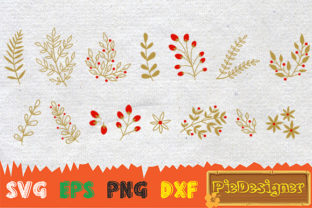
Christmas Collection
A Designer’s First Look: Clean, Warm, and Ready for Real Stitches
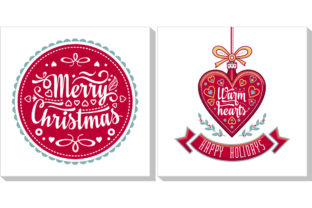
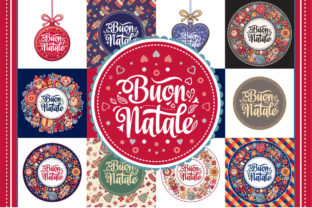
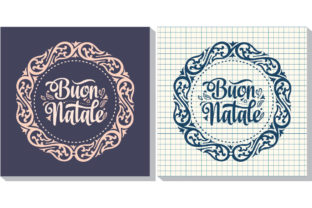
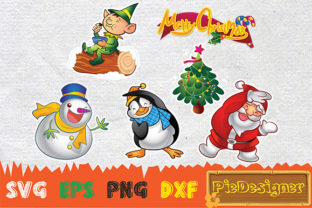
Opening the Christmas Collection feels like flipping through a well-curated sketchbook—no clutter, no forced whimsy. As an illustrator who’s digitized over 300 holiday motifs and stitched them on everything from organic cotton baby onesies to heavyweight denim aprons, I immediately noticed how this set leans into quiet confidence: balanced negative space, intentional line weight, and shapes that read clearly at 3–4 inches wide. It’s not shouting “CHRISTMAS!”—it’s whispering “thoughtful, handmade, made with care.” That tone matters more than ever when you’re stitching for someone’s first holiday as new parents or embroidering a boutique tote bag that’ll sit front-and-center at a craft fair.
Where This Collection Truly Shines (and Why Your Customers Will Notice)
I tested one motif—a minimalist wreath with subtle berry accents—on a midweight unbrushed cotton sweatshirt, a linen tea towel, and a curved-knit baby cap. On the sweatshirt, the design held its shape without puckering; the satin stitch edges stayed crisp, and the fill stitch density felt generous but breathable—not stiff or plasticky. On the tea towel, it looked like something you’d see in a Scandinavian kitchen shop: clean, functional, quietly festive. Even on the baby cap—where distortion is almost guaranteed—the wreath’s open center and softened curves translated cleanly across the curve.
That versatility makes Christmas Collection especially strong for small business owners: Etsy sellers can pair it with neutral apparel for year-after-year holiday listings; craft fair vendors can use it across patches, pillow covers, and aprons without needing five different versions; and apparel decorators will appreciate how easily it scales between a 2.5-inch chest logo and a 5-inch back design on a tote bag. It doesn’t demand attention—it earns it through consistency and restraint.
Real-World Fit: What Projects Does It Belong On?
- Custom apparel: Works beautifully on crewnecks, joggers, and relaxed-fit tees—especially where minimalism meets warmth.
- Embroidered patches: The clean outlines and moderate detail make it ideal for iron-on or sew-on patches on denim jackets or backpacks.
- Baby embroidery: Gentle scale and soft geometry suit onesies, burp cloths, and nursery pillows without overwhelming delicate fabric or tiny proportions.
- Kitchen & home goods: Linen tea towels, canvas aprons, and cotton pillow covers all let the design breathe—no visual competition with busy textures.
- Holiday gifts & boutique merchandise: Feels special without being ornate—perfect for customers who want handmade charm, not glitter overload.
Where to Pause—and Stitch With Intention
This isn’t a “set it and forget it” design. Its strength lies in its subtlety, which means it needs thoughtful execution. On thin or stretchy fabrics—like lightweight jersey tees or ribbed knit caps—I recommend testing with tear-away + cut-away stabilizer combo. Dense fill areas (like the wreath’s inner foliage) can shift on textured weaves unless hooped tautly and stitched with appropriate tension. And while the lettering (in versions that include it) is legible at 3 inches, I wouldn’t push it below 2.25 inches—even with sharp needles and high-quality thread, fine serifs blur on dark fabric or loosely woven cotton.
Also worth noting: because Christmas Collection lives in the Illustrations category, its forms prioritize visual harmony over technical embroidery shortcuts. That means fewer jump stitches, more continuous satin lines, and intentional stitch direction—all great for professional results, but slightly less forgiving on very old machines or low-stabilization setups.
How It Shapes Perception—Beyond Just Stitching
When your customer sees this on a finished product, they don’t just see embroidery—they see intention. That affects trust. A well-executed Christmas Collection motif on a personalized gift says “I chose this for you,” not “I ran a design off a bulk pack.” For Etsy sellers, that translates directly to higher perceived value and repeat buyers. For small shops, it supports cohesive branding across seasonal collections—imagine using the same wreath motif on packaging tags, staff aprons, and limited-edition mugs (via printable mockups). And for crafters gifting handmade items? It feels personal without requiring advanced digitizing skills—just good taste and solid execution.
Practical Designer Notes Before You Stitch
- Always test the Christmas Collection embroidery file on scrap fabric matching your final project’s weight and stretch.
- Check thread color contrast early—especially on dark backgrounds. What reads as warm charcoal on screen may vanish on navy twill.
- Review stitch density in your embroidery software. If filling feels too heavy for lightweight fabric, adjust underlay or reduce density slightly.
- Confirm hoop size compatibility—some motifs are optimized for 4x4 hoops, others flow naturally into 5x7.
- Inspect small details (like berry stems or leaf veins) at actual stitch-out size. Zooming in digitally doesn’t always predict clarity after stitching.
- Test in black-and-white mockups to assess silhouette strength—this collection relies on form, not color, to communicate.
- Compare performance on light vs. dark fabric. Some fill patterns behave differently under contrasting thread.
- Use proper stabilizer for your fabric type—especially important for commercial embroidery where consistency across dozens of units matters.
- Verify licensing before selling finished products or digital embroidery files. Not all Illustrations-category assets permit commercial redistribution.
Final Thought: A Quiet Anchor in a Noisy Season
In a market flooded with overwrought holiday designs, Christmas Collection stands out by doing less—and doing it well. It’s not flashy. It won’t dominate a social media feed in 0.5 seconds. But it will hold up after five washes, look intentional on a $280 boutique sweater, and feel meaningful when stitched onto a newborn’s first holiday onesie. For designers, sellers, and makers who build value through authenticity—not volume—this is the kind of embroidery file that earns repeat use, not one-time novelty. It’s ready for real projects. You just need to meet it with equal care.