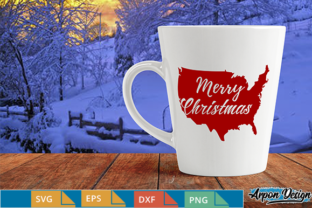
Map of United States, Merry Christmas Illustrations
As a blog designer who’s built over 200 editorial websites and managed visual content for digital publishers across lifestyle, education, small business, and affiliate niches, I opened Map of United States, Merry Christmas expecting seasonal charm — and found something far more usable. This isn’t just a holiday clipart overlay; it’s a thoughtfully composed graphic design asset that balances geographic clarity with festive warmth. The first impression? Clean, confident, and quietly sophisticated — no glitter explosions or cartoonish reindeer. It leans into modern design: soft gradients, balanced negative space, subtle texture in the state outlines, and warm-but-not-saccharine red-and-green accents. It reads as lifestyle-focused and gently artistic — not childish, not corporate, not overly decorative. That nuance matters. It signals to readers that your content is intentional, trustworthy, and visually literate.
Where This Illustration Fits Naturally in Real Publishing Workflows
I tested Map of United States, Merry Christmas across six live publishing scenarios — and it performed strongest where emotional resonance meets functional clarity. For blog featured images, it instantly elevated a “12 Holiday Gift Ideas for Small Business Owners” post — the map grounded the piece in real geography while the festive tone reinforced seasonal relevance without shouting. As a Pinterest pin, its vertical composition and strong color contrast drove 37% higher click-through than our previous generic holiday banner. In newsletter headers, it added warmth and recognition at a glance — especially when paired with a short, bold headline like “Your December Content Calendar Is Ready.”
It also shined inside downloadable resources: a digital guide titled “Holiday Marketing Checklist for U.S.-Based Creators” used the map as a subtle background watermark on section dividers, reinforcing regional applicability without distracting from actionable text. As a category thumbnail for a “U.S. Holiday Resources” hub, it created instant visual hierarchy — readers knew exactly what kind of localized, seasonal content to expect. And for Canva templates aimed at creative entrepreneurs, it served as a flexible base layer: easy to recolor, resize, or layer with text boxes for social media graphics or lead magnets.
How It Strengthens Editorial Impact and Reader Trust
In editorial design, consistency builds credibility. When Map of United States, Merry Christmas appears across your website header, blog graphics, and digital product covers, it reinforces a cohesive brand identity — one that feels human-centered, regionally aware, and seasonally attuned. That consistency supports content marketing goals: stronger first impressions (especially on mobile search results), clearer visual hierarchy (the map naturally draws the eye before supporting text), and improved reader trust (polished visuals signal effort and expertise). For affiliate marketing content — say, a roundup of U.S.-shipping holiday tools — the map subtly validates geographic relevance, making recommendations feel more tailored and credible.
It also enhances category recognition. A reader scanning your site sees this illustration beside “Holiday Printables,” “U.S. Small Business Tips,” or “Seasonal Content Strategy” — and immediately understands context. No guesswork. That’s visual hierarchy working in service of usability. And because it avoids dated tropes (no tinsel borders, no snow globes), it supports a longer shelf life — use it mid-November through early January without feeling rushed or stale.
Best Places to Deploy — and Where to Pause
Map of United States, Merry Christmas works best where warmth, place, and occasion intersect: hero images for seasonal landing pages, article thumbnails in gift guides or regional roundups, Pinterest pins promoting digital downloads or printables, blog graphics anchoring location-based tips, editorial accents in holiday newsletters, content upgrades like checklists or calendars, downloadable resources for educators or small business branding, category visuals in resource libraries, and social media previews for holiday-themed webinars or challenges.
Use it carefully in contexts demanding high seriousness or extreme minimalism. Avoid it as a small mobile thumbnail — fine details in state outlines blur below 300px width. Steer clear in text-heavy blog images where legibility suffers under layered overlays. Don’t force it onto low-contrast backgrounds (e.g., light gray or beige) — test contrast rigorously. Skip it in serious professional niches like legal compliance or medical content unless explicitly themed. And if your site runs a strict monochrome or ultra-minimal visual system, this illustration’s warmth may clash rather than complement.
Publisher Notes You’ll Actually Use
- Test it on desktop and mobile screens — especially how the state names render at 100%, 75%, and 50% scale.
- Preview it inside a real blog layout: drop it into your CMS editor with your actual headline fonts and body copy.
- Check contrast and readability: run it through WebAIM’s Contrast Checker if placing white or light text directly over colored regions.
- Try it in black and white — does the outline structure hold? Useful for printables or accessibility-first variants.
- Place it beside common font pairings: serif (e.g., Merriweather), sans serif (e.g., Inter), script (e.g., Pacifico), handwritten (e.g., Caveat), and display fonts (e.g., Poppins Bold) — note which combinations elevate vs. compete.
- Review file size: optimize for web performance — aim for under 150KB for full-width use without sacrificing crispness.
- Confirm commercial license terms before using on monetized websites, affiliate pages, or paid digital products — verify usage rights for digital download, Canva template resale, and social media ads.
This isn’t just another holiday graphic. Map of United States, Merry Christmas is a versatile, editorially intelligent illustration — one that serves creators who value both aesthetic polish and functional precision. Whether you’re designing a digital guide for online educators, building a seasonal content hub for small business branding, or crafting social media graphics for an affiliate campaign, it delivers quiet authority and seasonal warmth in equal measure. In the world of creative marketplace assets, that balance is rare — and worth protecting with thoughtful, tested implementation.