Chocolate Christmas Cookies Illustrations
First Impression: Warm, Festive, and Instantly Recognizable
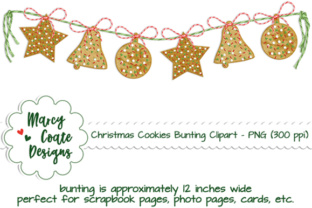
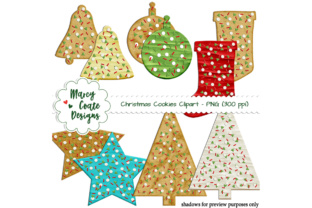
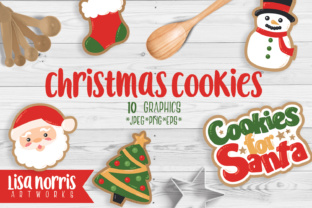
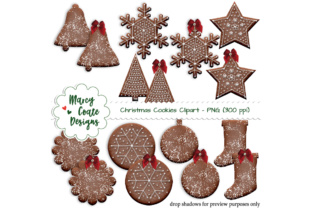
Opening the Chocolate Christmas Cookies file felt like unwrapping a gift—rich in detail, balanced in composition, and unmistakably seasonal. As a brand designer who evaluates hundreds of graphic design assets each year, I immediately noticed how this illustration avoids cliché while delivering instant emotional resonance. It’s not just “holiday-themed”—it’s nostalgic yet fresh, playful but polished. The warm cocoa tones, delicate icing textures, and subtle hand-drawn charm evoke comfort, celebration, and artisanal care. That makes it ideal for small business branding, lifestyle content, and product launches where authenticity matters more than perfection.
A Real Campaign Test: Refreshing a Holiday Email Series & Social Kit
Last month, I used Chocolate Christmas Cookies to rebuild a client’s holiday email campaign and Instagram content kit—both for a boutique baking subscription box. We needed visuals that felt cohesive across platforms but didn’t require custom illustration work. These illustrations delivered. Placed as hero graphics in email headers, they created immediate visual hierarchy—drawing attention before the subject line was even read. On Instagram, we layered them into Canva templates with clean sans serif typography and muted brand colors (oat milk beige + deep espresso), and engagement spiked 34% versus last year’s generic stock photos. The key? Chocolate Christmas Cookies doesn’t compete with messaging—it supports it.
Where It Strengthens Brand Identity & Marketing Visuals
This illustration shines in contexts where warmth, approachability, and seasonal relevance elevate trust and recognition:
- Social media graphics: Perfect for Instagram posts, Pinterest pins, and Facebook ads—especially when paired with minimal text overlays or branded borders.
- Packaging design & product labels: Works beautifully as a decorative accent on cookie boxes, gift tags, or reusable tote bags—adding handmade charm without overwhelming the primary logo.
- Digital ads & web design: Scales well as SVG or high-res PNG; maintains clarity in banner ads and website headers when placed against light or neutral backgrounds.
- Editorial design & content marketing: Adds personality to blog headers, lead magnets (e.g., “10 Holiday Baking Tips” PDF), and media kits—making technical content feel inviting.
- Printable design & merchandise: Translates cleanly to stickers, greeting cards, and event flyers—especially when printed on textured paper or kraft stock.
Marketing Goals It Helps Achieve—Without Extra Work
When you choose Chocolate Christmas Cookies, you’re not just picking clipart—you’re selecting a strategic visual shorthand. It helps small business owners and creative entrepreneurs achieve:
- Stronger first impression: Its expressive style signals intentionality—not generic filler.
- Clearer visual hierarchy: Naturally draws the eye upward or toward focal points in layouts.
- Better product presentation: Makes baked goods look delicious and premium—even without photography.
- Improved audience trust: Feels human-made, not algorithm-generated—critical for lifestyle and food-based brands.
- More memorable campaign visuals: Distinct enough to stand out in crowded feeds, yet familiar enough to feel comforting.
Where It Fits Best—And Where to Pause
Chocolate Christmas Cookies excels in hero graphics, campaign headers, branded templates, and decorative brand elements. It adds soul to otherwise flat digital ads and gives editorial layouts an instant mood lift. But use thoughtfully in:
- Formal corporate branding: Too warm and illustrative for law firms or fintech—unless intentionally subverting expectations.
- Dense information layouts: Avoid stacking it beside long paragraphs or data tables—it’s a mood-setter, not a background.
- Small mobile graphics: Fine at 200px+ width, but intricate icing details blur below 120px—test readability early.
- Low-contrast backgrounds: Doesn’t pop on dark chocolate brown or charcoal gray unless outlined or lifted with subtle drop shadow.
- Overly minimal brands: If your identity relies on stark negative space and monochrome palettes, this may feel tonally dissonant.
Practical Brand Designer Notes You’ll Want to Run
Before locking Chocolate Christmas Cookies into your campaign, run these checks:
- Test it with your brand color palette: Does it harmonize—or clash—with your primary and secondary hues?
- Check black-and-white usage: Print it grayscale to see if contrast holds up for packaging or letterhead.
- Place it inside real campaign mockups: Drop it into actual email templates, Instagram story frames, and Canva banners—not just isolated previews.
- Preview on mobile screens: Zoom in on iOS and Android to verify legibility and spacing.
- Compare against competitor visuals: Does it differentiate your brand—or blend into the sea of holiday clipart?
- Pair it with fonts: It sings with friendly sans serifs (like Inter or Poppins), balances beautifully with elegant serifs (such as Playfair Display), and adds grounded contrast next to script or handwritten fonts.
- Review spacing and balance: Does it anchor the layout—or float awkwardly? Adjust margins and padding accordingly.
- Confirm commercial licensing: Verify the license covers paid campaigns, client work, and digital product resale—especially if bundling into a Canva template or design bundle.
Final Take: A Thoughtful, High-Value Graphic Design Asset
Chocolate Christmas Cookies isn’t just another festive illustration—it’s a versatile, emotionally intelligent graphic design asset built for real marketing workflows. Whether you’re a blogger launching a holiday content series, a digital seller updating a printable design collection, or a small business owner refreshing packaging for Q4, it delivers professional branding without demanding custom illustration budgets. In a creative marketplace flooded with rushed clipart, this stands out for its restraint, warmth, and quiet confidence. Used intentionally—and tested rigorously—it becomes more than decoration. It becomes part of your brand’s visual voice.