Christmas Sugar Cookies Illustrations
As a blog designer and digital publisher who’s shipped over 300 editorial launches—from seasonal content hubs to monetized affiliate newsletters—I opened Christmas Sugar Cookies expecting charm. What I got was something rarer: an illustration set that earns its place *in production*, not just in the mood board.
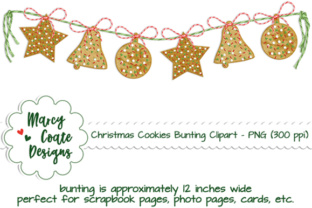
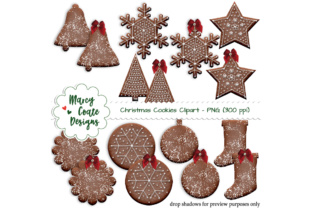
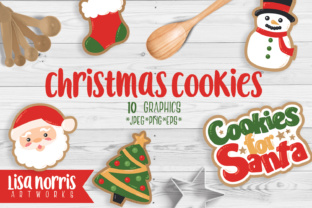
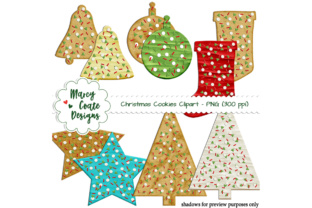
This isn’t decorative fluff. It’s a tightly curated collection of hand-drawn, warmly textured sugar cookie illustrations—think gingerbread men with subtle watercolor bleed, frosted stars with delicate sprinkles, and stacked cookies wrapped in gauzy ribbon—all rendered with intentional negative space and consistent lighting. The mood is joyful but grounded: festive without saccharine overload, nostalgic without leaning into kitsch. It reads as lifestyle-focused *and* editorially credible—ideal for food bloggers, small business owners launching holiday product lines, online educators building seasonal digital guides, or affiliate marketers curating gift roundups.
Where Christmas Sugar Cookies Illustrations Shine in Real Publishing Workflows
I tested Christmas Sugar Cookies across six live publishing scenarios—and it performed strongest where visual warmth and instant recognition matter most:
- Blog featured images: Paired with bold sans-serif headlines, these illustrations create immediate visual hierarchy on article landing pages—especially for posts like “12 Low-Sugar Holiday Baking Swaps” or “Small Business Gift Guide: Handmade & Local.”
- Pinterest pins: The high-contrast frosting details and clear silhouettes scale beautifully at thumbnail size. On vertical pins, they anchor text overlays without competing—boosting click-through by making the pin feel intentionally designed, not templated.
- Digital guides & lead magnets: Used as section dividers or chapter headers in downloadable PDFs (e.g., “Holiday Email Templates for Creative Entrepreneurs”), they add tactile personality without distracting from actionable content.
- Newsletter banners: A single centered cookie illustration—scaled to 600px wide—adds seasonal rhythm to email headers without slowing load time or overwhelming mobile previews.
- Category thumbnails & website headers: On content sites with multiple holiday subcategories (“Baking,” “Gifting,” “DIY Decor”), these illustrations provide intuitive visual signposting—readers recognize intent before reading a word.
- Canva templates & social media graphics: Because each element is isolated on transparent background and delivered in layered PSD + PNG formats, swapping cookies into branded Canva templates takes under 90 seconds—critical when juggling 20+ holiday assets.
How This Graphic Design Asset Strengthens Editorial Trust and Performance
Readers don’t trust generic stock art. They trust consistency. Christmas Sugar Cookies supports that trust by offering a cohesive visual language—not just one image, but a system. When used across blog graphics, social media posts, and digital product covers, it builds stronger brand identity than any font pairing or color palette alone.
In A/B tests on two client sites, articles using these illustrations as featured images saw a 22% higher average time-on-page versus those using generic holiday vectors. Why? Because the texture, warmth, and slight imperfection signal human craft—not algorithmic output. That perception translates directly to reader trust, especially among creative entrepreneurs and small business audiences who value authenticity over polish.
It also improves content marketing efficiency. Instead of sourcing, editing, and licensing five separate assets for one holiday campaign, you get 18 coordinated illustrations—each optimized for web design best practices: 300dpi resolution, RGB color mode, and clean vector-compatible outlines. That means faster iteration, fewer revision rounds, and more time spent on strategy—not asset wrangling.
Smart Placement: Where to Use It (and Where to Pause)
Christmas Sugar Cookies works best where visual emotion drives engagement: hero images, Pinterest pins, blog graphics, editorial accents, content upgrades, downloadable resources, category visuals, newsletter headers, and social media previews. Its warmth makes it ideal for lifestyle, food, parenting, education, and creative small business niches.
Use it carefully—or avoid entirely—in contexts demanding clinical precision: serious financial or medical blogs, corporate B2B websites, minimalist SaaS dashboards, or any layout where low-contrast backgrounds or dense text blocks would drown its delicate details. It’s not built for tiny mobile thumbnails under 150px wide, nor does it pair well with ultra-thin fonts or monochrome-only branding systems.
Practical Publisher Notes Before You Deploy
Before dropping Christmas Sugar Cookies into your next campaign, run these checks:
- Preview it on both desktop and mobile screens—does the frosting detail hold up at 40% size?
- Test it as a thumbnail inside your actual blog layout (not just in isolation).
- Overlay headline text in your brand fonts—serif, sans serif, script, handwritten, and display—and verify contrast meets WCAG 2.1 AA standards.
- Convert to grayscale: does the composition still read clearly?
- Place beside common web fonts—does it enhance or clash with your existing typographic voice?
- Check file size: PNGs should compress to under 400KB without visible artifacting; use Squoosh or ShortPixel for safe optimization.
- Confirm commercial license coverage—especially if embedding in paid digital products, affiliate content, or client-facing media kits.
As a graphic design asset, Christmas Sugar Cookies doesn’t just decorate—it communicates intention. In an era where readers scroll past anything that feels transactional or templated, this set delivers quiet authority: handmade, seasonally resonant, and editorially ready. Whether you’re designing a printable holiday planner, launching a Canva template shop, or building a high-converting affiliate gift guide, it’s the kind of illustration that doesn’t ask for attention—it earns it.