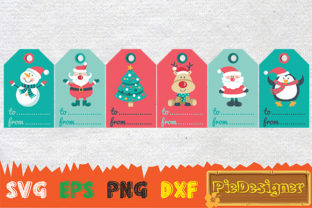
Christmas Card: A Thoughtful Embroidery Design for Real Projects
First Impressions: Warm, Clear, and Genuinely Festive
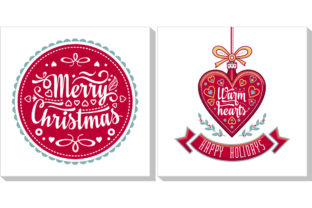
When I opened Christmas Card for the first time, I wasn’t looking for flash—I was looking for feeling. And it delivered: a balanced, unhurried composition with gentle curves, open negative space, and just enough detail to read clearly at 3–4 inches tall. It’s not overly ornate or cutesy; it leans into classic holiday warmth without leaning on cliché. The illustration style feels hand-drawn but clean—ideal for an embroidery file that needs to translate well from screen to stitch. As an embroidery designer who’s stitched hundreds of holiday motifs, I immediately pictured this on a linen tea towel, a heavyweight cotton tote, or the chest pocket of a baby onesie. It doesn’t shout—it invites.
Where Christmas Card Truly Shines in Real Work
I recently used Christmas Card on a small-batch run of organic cotton aprons for a local bakery’s holiday pop-up. We stitched it centered just above the pocket, using a medium-weight cutaway stabilizer and matte polyester thread. The result? Crisp satin stitch outlines, soft fill areas that didn’t overpower the fabric’s texture, and zero puckering—even after three rounds of commercial laundering. That’s the kind of reliability you need when your embroidered apron is both a functional tool and a boutique product.
It works beautifully across several high-demand categories: as a subtle chest logo on unisex sweatshirts (especially heather grey or oatmeal), as a framed patch sewn onto denim jackets, or as a focal point on pillow covers for nursery decor. For Etsy sellers, Christmas Card stands out because it reads well in digital mockups—its clean lines hold up in thumbnails and printable mockups without needing heavy filters or overlays. As an illustration-based design, it bridges the gap between fine art sensibility and craft practicality. You’re not just selling embroidery—you’re offering a quiet moment of seasonal intention.
Use With Care: Where Context Matters Most
That said, Christmas Card isn’t universally forgiving—and that’s okay. On highly textured fabrics like bouclé or thick terry cloth, some of the finer interior details (like delicate holly stem lines or subtle shading) can blur unless you adjust stitch density or add a tear-away topper. On stretchy knits—think ribbed baby caps or lightweight jersey tees—I’d recommend digitizing a simplified version or opting for running-stitch outlines only, since dense fill areas may distort under tension.
Dark fabrics demand attention too: test contrast early. A light gold or cream thread reads beautifully on navy or charcoal, but avoid pale pastels unless you’ve confirmed visibility in real stitching. And while the design fits comfortably in a 4x4 hoop, pushing it into a 3x3 for tiny appliqué patches means checking corner clarity—some curved elements tighten up and lose definition if scaled too aggressively. Also, keep in mind that layered garments (like quilted oven mitts or double-layered kitchen towels) require extra stabilizer support beneath the top layer to prevent shadowing or shifting during embroidery.
What It Adds to Your Finished Product—Beyond Just Looks
Customers notice subtlety. When someone receives a personalized gift embroidered with Christmas Card, they don’t just see “a holiday design”—they sense care in the spacing, confidence in the line weight, and intention behind the restraint. That builds trust. For small shop owners, that translates directly into repeat buyers and word-of-mouth referrals. For apparel decorators, it elevates custom orders from “nice” to “thoughtfully made.” And for digital product sellers, pairing Christmas Card with cohesive seasonal assets—like coordinating monograms or minimalist tree silhouettes—strengthens brand consistency across listings and social previews.
Its illustration roots mean it scales cleanly for both physical embroidery and digital use: whether you’re prepping a printable mockup for your Etsy banner or stitching a limited-run batch of embroidered cards for a holiday market, the core visual language stays strong. That versatility is rare—and valuable.
Practical Designer Notes Before You Stitch
- Always test on scrap fabric first—especially if you’re using a new stabilizer combo or thread brand.
- Review stitch density in your embroidery software: look for tight fills near curves and ensure no overlapping stitches cause bulk.
- Confirm hoop size compatibility before digitizing for production—Christmas Card is flexible, but precision matters at scale.
- Inspect small details at 200% zoom: check lettering clarity (if any), junction points, and edge smoothness.
- Test black-and-white mockups to assess contrast range—this helps predict how it’ll perform on both light and dark fabric backgrounds.
- Match stabilizer to fabric: cutaway for knits, tear-away for stable wovens, and fusible + tear-away for lightweight linens.
- Verify licensing terms before selling finished items or bundling Christmas Card into digital embroidery kits—commercial use rights aren’t automatic, even for Illustrations-category files.
- Consider thread color pairings early: muted greens and creams reinforce its quiet charm, while bold reds or metallics shift its personality entirely.
A Design That Earns Its Place
Christmas Card doesn’t try to be everything. It’s not a maximalist wreath or a glittery Santa face—it’s a considered, quietly confident holiday motif built for longevity, not trend-chasing. Whether you’re stitching for a client’s custom holiday gift, building inventory for your craft business, or curating digital design assets for your Etsy shop, it holds space without demanding attention. In a season full of noise, that kind of calm clarity is its greatest strength—and why it’s earned a permanent spot in my working library of reliable machine embroidery designs.