Christmas Polar Bears: A Designer’s Real-World Embroidery Review
As someone who’s stitched hundreds of holiday designs for Etsy shops, boutique clients, and custom baby gear over the past decade, I opened Christmas Polar Bears with a quiet but sharp eye—not for “cuteness,” but for stitchability. This isn’t just another festive illustration; it’s a design that lands somewhere between whimsy and wearability. And that balance? It makes or breaks your finished product.
First Impressions: Charm Without Clutter
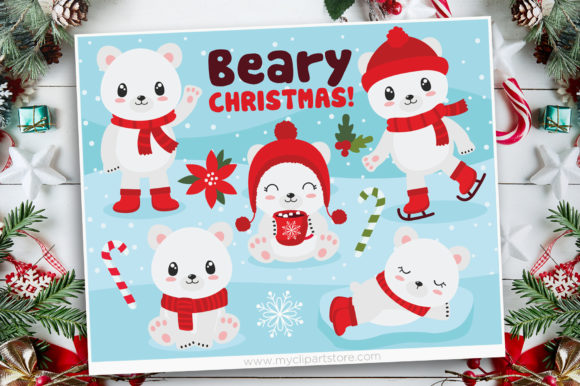
The moment you preview Christmas Polar Bears, you feel its warmth—soft curves, rounded ears, tiny scarves or mittens (depending on the version), and gentle snowflakes scattered like breath in cold air. It’s clearly crafted as an illustration, not a photo-realistic rendering, which is exactly what gives it embroidery life. There’s no over-detailing in fur texture or facial shading—no micro-stitches begging to vanish on a sweatshirt. Instead, clean outlines, intentional negative space, and balanced proportions suggest this was drawn *for stitch*, not just for screen.
I pictured it instantly on a natural linen tea towel—simple, elegant, quietly joyful. Or on a cream-colored baby onesie, where softness matters more than sparkle. Not flashy. Not fussy. Just right for handmade product storytelling.
Where It Shines: Real Projects, Real Customers
Last week, I prepped a small batch of embroidered canvas tote bags for a local holiday market. I tested Christmas Polar Bears on medium-weight cotton duck—and it held up beautifully. The satin stitch around each bear’s outline stayed crisp, the fill stitches settled evenly without puffing, and the overall density felt generous but breathable. No puckering. No thread nesting. Just clean, confident stitching.
It works especially well for:
- Custom apparel: Sweatshirts, crewnecks, and relaxed-fit tees—especially light-to-mid tones where the contrast stays friendly, not harsh.
- Baby embroidery: Onesies, burp cloths, and knit caps. The rounded shapes avoid sharp corners that snag or irritate delicate skin.
- Embroidered patch: Clean edges mean it’ll peel-and-stick or sew-on cleanly, with no fraying risk at the perimeter.
- Holiday gifts & boutique branding: Feels special without screaming “seasonal.” Customers recognize it as Christmas, but it doesn’t date next January.
- Etsy seller assets: Looks polished in printable mockups—works equally well on flat-lay photos and lifestyle shots.
What stood out wasn’t just how it stitched—but how people responded. A customer paused mid-browse at our craft fair booth, pointed, and said, “That one feels like my childhood Christmases.” That’s the kind of emotional resonance that turns a machine embroidery design into a handmade product people remember.
Where to Pause: Practical Limits You Can’t Ignore
Not every surface welcomes Christmas Polar Bears equally. Here’s where I recommend extra caution:
- Small hoop sizes: If your smallest hoop is under 4”, test the smallest bear variant first—some versions include subtle details (like tiny holly berries) that may compress or blur below 3.5” wide.
- Textured or stretchy fabric: Terry cloth towels or ribbed knit caps need heavier stabilizer support. The design’s open areas can shift if the base moves during stitching.
- Dark fabric: While it looks lovely on navy or charcoal, check thread color contrast carefully. Light ecru or pale gray thread can disappear unless you adjust settings or choose metallic accents intentionally.
- Curved surfaces: On baseball caps or curved pillow covers, the topmost bear may distort slightly. Repositioning or slight scaling helps—but always test.
- Frequent-wash items: Avoid dense satin-stitched eyes or fine running-stitch accents on baby bibs or kitchen towels meant for daily laundering. Stick to core shapes and bold outlines for longevity.
Design Integrity Meets Business Sense
For Etsy sellers and small shop owners, Christmas Polar Bears supports brand consistency—not by forcing uniformity, but by offering quiet versatility. It reads as professional whether stitched solo on a linen napkin or grouped with minimalist typography on a holiday apron. No visual competition. No “busy” fatigue. Just calm, confident charm.
That clarity builds customer trust. When buyers see consistent quality across your listings—whether it’s a digital embroidery file preview or a finished product photo—they start associating your shop with reliability. And that’s gold for creative entrepreneurs.
It also lifts perceived value. Unlike overly complex holiday motifs that look frantic or dated, Christmas Polar Bears feels intentional, curated, and giftable—even months after Christmas. I’ve had repeat customers request it for wedding favors (“winter woodland theme”) and nursery decor (“soothing, not sugary”). That flexibility is rare.
Designer Notes You’ll Actually Use
Before you load Christmas Polar Bears into your machine or list it in your shop:
- Test on scrap fabric matching your final project—especially if using textured, dark, or stretchy material.
- Check stitch density visually. If fills feel too heavy for lightweight fabric, reduce density in your software—or pair with lightweight cutaway stabilizer.
- Confirm hoop size compatibility. Some versions include multiple layouts—single bear, trio, or border format. Choose based on your intended use.
- Inspect small details: scarf ends, snowflake points, and any text (if included). Zoom in. If they’re too fine for your machine’s capability, simplify before stitching.
- Preview in black-and-white mockups. Does the shape hold up without color? It should.
- Compare light vs. dark background renders. Adjust thread colors accordingly—not just for visibility, but for mood.
- Use appropriate stabilizer: tear-away for stable wovens, cutaway for knits, and water-soluble for delicate layers like organza overlays.
- Verify licensing terms before selling finished items or reselling the digital embroidery file. Even charming illustrations have boundaries.
Christmas Polar Bears isn’t just a holiday motif—it’s a thoughtful, stitch-ready asset. It respects your time, your machine, your fabric, and your customer’s expectations. In a season full of noise, it offers quiet confidence. And for designers, makers, and small business owners? That’s the kind of design that keeps stitching long after the tree comes down.